
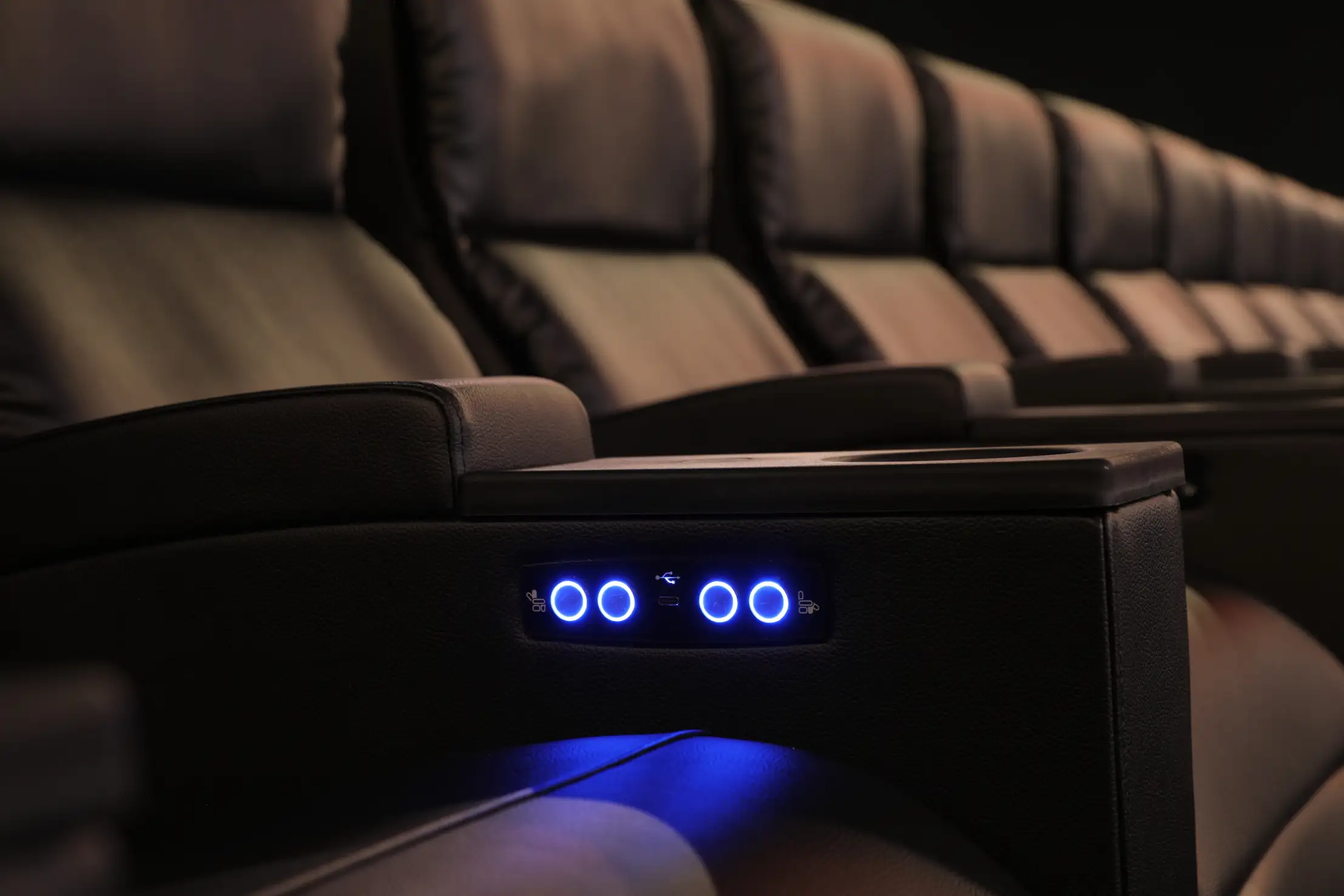
Cinema Seating for Europe
Cinema Seating for Europe
Cinema seating for European projects must combine comfort, durability, refined design and long-term operational value. A cinema hall may have a powerful screen, immersive sound, acoustic wall panels, controlled lighting and a strong interior concept, but the audience experiences the entire film from the seat. If the seating is uncomfortable, poorly spaced, difficult to clean or visually outdated, the whole cinema experience becomes weaker.
European cinema projects often require a careful balance between capacity and comfort. Multiplex halls may need efficient standard cinema seating. Boutique cinemas may prefer a warmer and more intimate layout. VIP halls may require wider seats, premium upholstery and refined armrests. Recliner rooms need more space, correct electrical planning and a stronger comfort strategy. Renovation projects must also consider existing row spacing, floor slope and mounting conditions.
A professional cinema seating project should not be based only on product photos or unit price. Seat width, row distance, screen view, upholstery quality, foam stability, armrest design, cup holders, cleaning access, numbering and long-term maintenance should all be evaluated together. The right seating solution helps a cinema remain comfortable, attractive and commercially strong for years.
Cinema Seating for European Venues
European cinema venues are diverse. Some are large multiplexes in shopping centers. Some are independent boutique theatres. Others are cultural cinemas, private screening rooms, luxury VIP halls or renovation projects inside older buildings. Each venue needs a seating solution that matches its business model and audience expectation.
A multiplex may need durable seats that protect capacity and allow easy maintenance between screenings. A boutique cinema may need softer upholstery, richer colors and a more atmospheric design. A VIP cinema may need premium comfort, wider spacing and stronger visual value. A private screening room may require custom seating, recliners or sofas.
The best cinema seating solution begins with understanding the venue, not just selecting a model.
Standard Cinema Seats
Standard cinema seats remain essential for many European cinema halls. They offer a strong balance between comfort, capacity and long-term durability. In large halls, a well-designed standard seat can keep the layout efficient while still supporting long viewing sessions.
A standard cinema seat should include stable foam, comfortable back support, durable upholstery and a reliable folding seat mechanism. Armrests should feel solid, cup holders should be practical and the overall form should support easy row movement.
Standard does not mean basic. A high-quality standard cinema seat can improve the entire hall when it is properly selected, installed and maintained.
VIP Cinema Seating
VIP cinema seating is used in premium halls, luxury multiplex sections, private clubs and high-value screening rooms. These seats should offer more comfort, wider dimensions and a stronger visual standard than regular cinema seats.
VIP cinema seats may include wider armrests, richer upholstery, softer cushioning, cup holders, tray tables and more refined finishes. The goal is to make the audience feel that the experience is clearly different from a standard hall.
For European cinemas, VIP areas can support higher ticket value and stronger customer loyalty. However, the seat must remain durable and practical. Premium appearance should always be supported by real long-term performance.
Recliner Cinema Seating
Recliner cinema seating creates a luxury viewing experience. The user can lean back, extend the legs and enjoy the film in a more relaxed position. Recliners are suitable for VIP cinema halls, boutique theatres, private screening rooms and premium entertainment venues.
Motorized recliners provide button-controlled movement and a stronger premium feeling. Manual recliners can offer comfort with simpler technical requirements. In both cases, the mechanism should be smooth, stable and suitable for repeated use.
Recliner seating requires more careful planning than standard cinema seating. Footrest movement, row spacing, electrical access, cleaning access and screen visibility must be checked before installation. A recliner hall should feel spacious, not crowded.
Cinema Sofas and Double Seats
Cinema sofas and double seats create a more social and intimate cinema experience. They are suitable for boutique cinemas, VIP areas, private screening rooms, luxury residential cinemas and special couple seating zones.
Double seats may include shared armrests, separate cup holders, individual recliner mechanisms or a more lounge-like form. Cinema sofas can create a warmer and more relaxed atmosphere compared with traditional rows.
These models usually require more space than standard seats. The layout should protect comfort, movement and visibility. Fewer well-planned seats can create more value than a crowded premium room.
Boutique Cinema Seating
Boutique cinemas often focus on atmosphere, identity and a more personal audience experience. Seating in these venues should not feel generic. Upholstery, colors, armrests, row spacing and lighting relationship all affect the character of the hall.
Deep colors such as burgundy, navy, anthracite, black, dark green and warm brown tones can support a refined cinema atmosphere. Fabric can create warmth and acoustic softness. Leather or artificial leather can create a more premium and cleanable surface depending on the design.
Boutique cinema seating should feel carefully selected. The seat should support the brand of the venue and make the audience remember the experience.
Multiplex Cinema Seating
Multiplex cinemas need seating that performs under frequent daily use. Seats may be used many times each day by different audience groups. This makes durability, cleaning and operational efficiency very important.
A multiplex seat should be comfortable enough for long films, but also practical for high turnover. Upholstery should resist wear. Cup holders should be easy to clean. Folding mechanisms should remain stable and quiet. The seat should support fast cleaning between sessions.
For multiplex projects in Europe, seating must protect both the customer experience and the operational routine of the cinema.
Private Screening Room Seating
Private screening rooms need a more customized approach. These rooms may be located in luxury homes, hotels, clubs, company buildings, cultural venues or film industry spaces. The seating should match the room size, interior concept and viewing purpose.
Recliners, VIP seats, double seats, sofas or custom upholstered cinema seats may be selected. Screen distance, speaker position, lighting, acoustic panels and row layout should all be considered together.
A private screening room should feel complete. The seating should not look like an afterthought. It should be part of the room’s architecture and entertainment experience.
Home Cinema Seating
Home cinema seating is different from standard living room furniture. It should support long viewing sessions, correct screen distance, proper viewing angle and a true cinema feeling. Recliners, sofas, double seats and compact VIP cinema seats can all be used depending on the room.
In smaller rooms, oversized recliners can reduce movement and make the screen distance uncomfortable. In larger rooms, multi-row layouts may need riser platforms to protect visibility. The seat should always match the room.
Home cinema seating should combine comfort, proportion and acoustic compatibility. A good room feels comfortable without becoming crowded.
Cinema Seat Ergonomics
Cinema audiences may sit for two or three hours, sometimes longer. Ergonomics is therefore essential. A cinema seat should support the back, shoulders, arms and legs without creating pressure or fatigue.
Seat depth, back angle, foam structure, armrest height and cushion shape all influence comfort. A seat that is too soft may lose support. A seat that is too hard may become tiring during long films. The best cinema seat provides balanced comfort.
Good ergonomics helps the audience focus on the film instead of the seat.
Foam Quality
Foam quality determines whether cinema seating remains comfortable after years of use. Weak foam can collapse, lose shape and make a hall look older. It can also reduce the support needed for long viewing sessions.
A high-quality foam structure should keep its form and provide balanced support. Seat foam and back foam should work together. In VIP and recliner models, foam quality becomes even more important because the comfort expectation is higher.
For European cinema projects, foam stability is a long-term investment in customer satisfaction.
Upholstery Selection
Upholstery affects appearance, comfort, cleaning and acoustics. Fabric, artificial leather, real leather and special upholstery materials may be selected depending on the cinema concept.
Fabric can create warmth and acoustic softness. Artificial leather can be practical in areas where cleaning is a priority. Real leather may be suitable for selected VIP or private screening areas. The right choice depends on usage intensity, maintenance routine and design target.
A cinema seat should keep its appearance after repeated screenings. Upholstery should resist wear, remain stable in color and support the visual identity of the hall.
Color Planning
Color planning helps create the atmosphere of a cinema hall. Darker tones are often preferred because they reduce visual distraction and support immersion. Black, anthracite, navy, burgundy, dark red, deep green and brown can all work well depending on the interior design.
Color should be planned with flooring, wall panels, lighting, acoustic surfaces and brand identity. A strong color concept can make the hall feel more premium and memorable.
In European boutique and premium cinemas, color selection can become a key part of the guest experience.
Armrest Design
Armrests define personal space and affect comfort. A good cinema armrest should be stable, comfortable and positioned naturally. It should support long viewing sessions without feeling too narrow or too bulky.
Armrests may include cup holders, storage, tray table connections or premium upholstery. In standard halls, durability and cleaning may be more important. In VIP halls, comfort and finish quality become stronger priorities.
Armrest design also affects the visual rhythm of the hall. In large rooms, consistent alignment and clean finishing are essential.
Cup Holders and Accessories
Cup holders are small details with a major effect on user experience. They should be stable, easy to clean and positioned naturally. Poorly placed cup holders can feel uncomfortable or make cleaning more difficult.
Cinema seating accessories may also include tray tables, storage consoles, USB access, control buttons, recliner switches or numbering plates. The right accessories depend on the hall type. Standard halls may need simple cup holders. VIP halls may benefit from tray tables and larger consoles.
Accessories should improve the experience without making the seat look heavy or difficult to maintain.
Folding Seat Mechanism
Many cinema seats include a folding seat pan to improve row access and keep the hall organized. When the seat is not occupied, the seat pan rises and creates more space between rows.
The folding mechanism should be quiet, controlled and durable. A noisy mechanism can disturb the audience during a film. A weak mechanism can become loose or unstable over time.
In cinema projects, silent and reliable movement is a key quality detail. The seat should feel professional both when occupied and when opened or closed.
Row Spacing and Capacity
Row spacing is one of the most important parts of cinema seating planning. If rows are too tight, the audience feels uncomfortable. If rows are too wide, the hall may lose unnecessary capacity. The correct balance depends on the seat model and hall concept.
Standard seats can usually protect more capacity. VIP seats and recliners require more space. Recliner footrest movement must be calculated carefully. If a rear row cannot see properly when the front row reclines, the layout is not successful.
A good cinema layout balances comfort, capacity and commercial value.
Sightlines and Screen View
Every seat in a cinema hall should provide a clear and comfortable view of the screen. Poor sightlines reduce the value of the hall and can create customer dissatisfaction.
Screen size, seat height, row distance, floor slope, riser height and backrest form should be evaluated together. In renovation projects, existing floor structure may limit the options, so measurements should be checked before choosing the seat.
Good sightlines help every row feel valuable, not only the center seats.
Acoustic Relationship
Cinema seating is connected to the acoustic performance of the room. Upholstery, foam, seat density, wall panels, flooring and audience presence all affect sound behavior.
Fabric seating can contribute to a softer acoustic environment. Leather or artificial leather may behave differently. Acoustic wall panels, carpets and seating should be considered together to support a balanced sound experience.
A cinema hall should not only look comfortable. It should also sound controlled, clear and immersive.
Cleaning and Maintenance
Cinema seating must be easy to clean and maintain. Popcorn, drinks, dust and frequent audience turnover create daily cleaning needs. Seat surfaces, cup holders, armrests and row spacing all affect cleaning efficiency.
Fabric seats should use durable upholstery suitable for repeated use. Artificial leather or leather may be easier to wipe in some areas. Recliner mechanisms and consoles should remain accessible for inspection and maintenance.
A maintenance-friendly seat helps the cinema protect its appearance and reduce operational pressure.
Cinema Renovation Projects
Renovating cinema seating can transform a hall quickly. Old seats, worn upholstery, weak foam, noisy mechanisms or outdated colors can make a cinema feel less attractive. New seating can improve comfort, visual identity and ticket value.
Before renovation, existing row spacing, floor slope, mounting points, screen distance and capacity should be reviewed. The new seats should fit the current structure without unnecessary construction work.
A renovation can also include VIP upgrades, recliner conversion, new upholstery colors, seat numbering, acoustic improvements or a new hall concept.
New Cinema Projects
New cinema projects allow seating to be planned from the beginning. This creates better coordination between screen size, floor slope, acoustic design, lighting, row spacing and seat type.
If seating selection is delayed, the hall may not match the preferred model. Recliners and VIP seats require early planning because they affect row spacing and capacity. Standard seats also require correct floor and mounting planning.
A new cinema should treat seating as one of the core parts of the audience experience.
European Cinema Renovations
Many European cinema projects involve renovation of existing halls. Older cinemas may have valuable architecture but outdated seating. Replacing the seats can improve comfort without changing the identity of the venue.
In these projects, the existing structure must be respected. Floor slope, row spacing, door positions, emergency routes and acoustic character should be reviewed. A seat that works in a new multiplex may not fit an older boutique cinema.
Renovation in Europe often requires careful coordination, practical delivery planning and a seating model that improves comfort without damaging the room’s character.
Cinema Seating Manufacturer Approach
A manufacturer-based approach gives cinema project teams better control over product details. Seat dimensions, upholstery, colors, armrests, cup holders, recliner options, numbering and mounting can be evaluated according to the project.
This is especially important when many seats must match in comfort, finish and function. Controlled production supports consistency and reduces project risk.
A professional manufacturer can help select different models for standard halls, VIP areas, recliner rooms and private screening spaces within the same cinema project.
Quality and Price Balance
Cinema seating should not be selected only by the lowest price. A weak seat can create higher long-term costs through upholstery wear, foam collapse, noisy mechanisms, cleaning problems and early replacement.
The correct approach is to evaluate comfort, durability, maintenance, layout suitability and price together. A good cinema seat supports the audience, protects the hall’s appearance and remains reliable under repeated use.
A strong quality-price balance is especially important in European cinema projects where customer expectations and operating costs must be managed carefully.
Complete Cinema Seating Categories
Cinema seating projects may include standard cinema seats, VIP cinema seats, recliner seats, motorized recliners, manual recliners, cinema sofas, double seats, home cinema seats, private screening room seats, boutique cinema seating and premium auditorium seating.
Each category serves a different function. The right selection depends on venue type, room size, comfort target, audience profile, maintenance routine, design level and long-term project goals.
Conclusion
Cinema seating for Europe should be selected according to the real needs of the venue. Multiplex halls, boutique cinemas, VIP rooms, recliner halls, private screening spaces and renovation projects all require different seating strategies. The right seat improves comfort, supports capacity planning, protects the visual identity of the hall and reduces long-term maintenance pressure.
A successful cinema seating project requires ergonomic comfort, durable upholstery, stable foam, reliable mechanisms, correct row planning, clear sightlines, practical cleaning and a strong balance between quality and price. When cinema seating is selected according to the actual conditions of the project, the result is a more comfortable, more refined and more commercially valuable cinema environment.
For professional cinema seating solutions, visit the official website.